Drywall and wall-surface restoration
Damaged or incomplete wall areas may require drywall work followed by mud, tape, texture, and paint. The surrounding finish, wall plane, and transition to existing texture all affect the completed appearance.
Residential remodeling · Western Iowa
Repair, renew, and return important areas to use
Restoration begins with the condition that is already there. Materials may be worn, damaged, incomplete, or no longer performing as they should. The purpose is to return the affected area to a sound, usable, finished state while making thoughtful decisions about what can remain and what needs replacement.
Real IHS project photography
Start with the full picture
Integrated Home Solutions provides restoration as part of a broader remodeling capability for Iowa homeowners. The available interior work includes drywall, mud, tape and texture, paint, flooring, trim, appliance installation, and full remodels. Exterior capabilities include roofing, siding, windows and doors, fascia and soffit, gutters, fencing and decks, and permanent lights.
Because restoration can mean different things from one property to the next, the first step is to describe the actual affected materials. The cause, extent, and condition should be understood before deciding what can remain and what needs replacement. A useful scope comes from examining what is present, how far the affected area extends, and what finished condition the homeowner wants to recover.
Scope of work
Covering a problem is not the same as resolving it. The work needs to account for the material condition, adjacent surfaces, and the finish that will make the area usable again.
Damaged or incomplete wall areas may require drywall work followed by mud, tape, texture, and paint. The surrounding finish, wall plane, and transition to existing texture all affect the completed appearance.
Worn flooring or trim can make an otherwise useful room feel unfinished. Replacement planning should include edges, thresholds, doors, base trim, and the relationship to surfaces that remain.
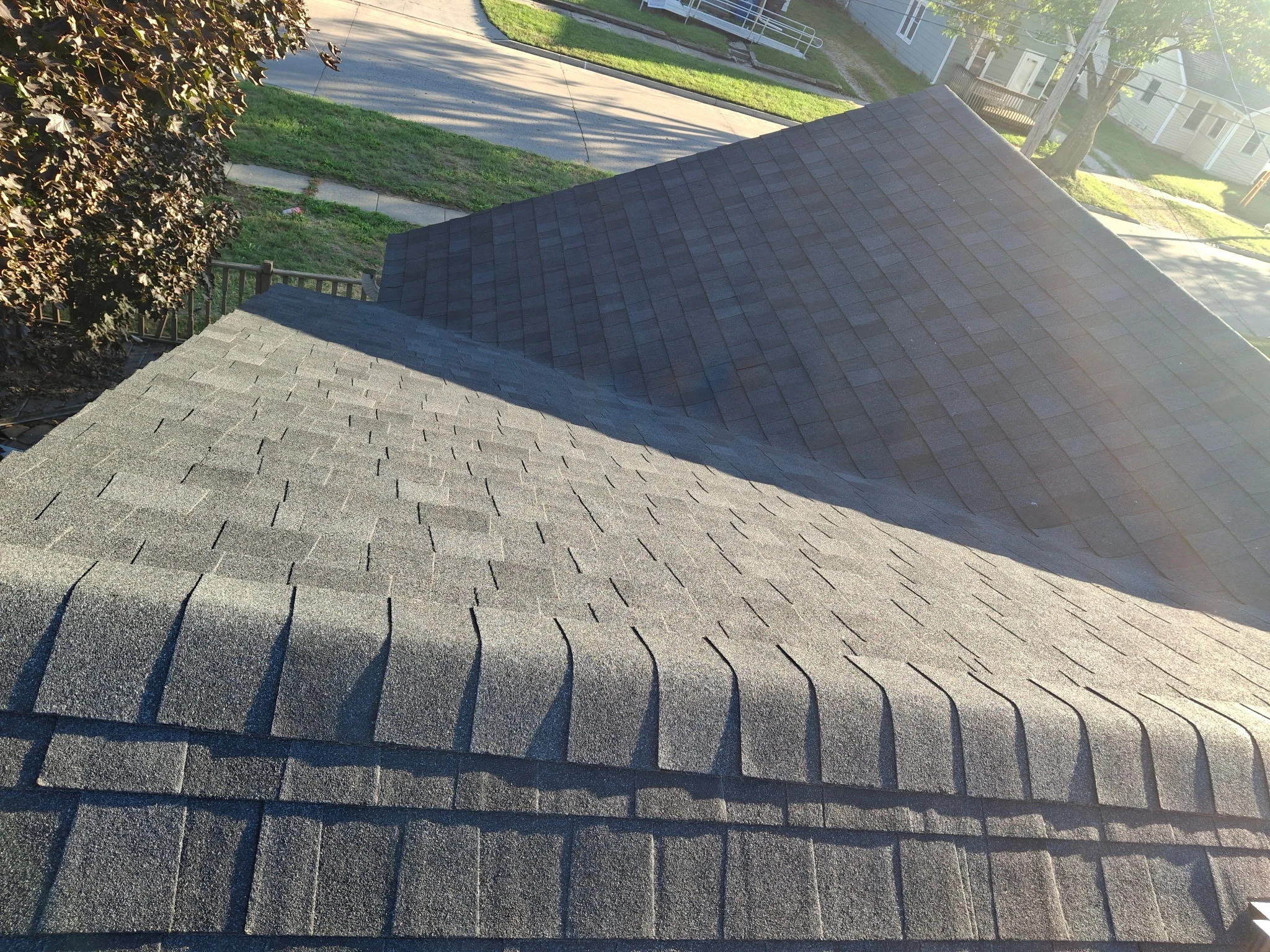
Roofing, fascia, soffit, and gutters meet along the roof edge and help form the home’s exterior system. Work in one area may reveal connected needs that should be discussed before materials are replaced.
Exterior wall openings and cladding need clean, weather-facing transitions. Restoring these areas can involve both the exterior installation and the visible interior finish around an opening.
Outdoor wood structures may contain a mix of usable and deteriorated material. The current condition, stability, layout, and desired finished appearance help determine whether focused repair or a broader rebuild is the more practical direction.
Texture, paint, trim, flooring transitions, and cleanup complete the visible restoration. These details should be part of the scope, not an assumption left until the end.
Plan around your home
The word “restore” can describe several goals. One homeowner may want an affected room returned to a simple, clean finish. Another may want replacement materials to coordinate closely with what remains. A third may use restoration as the starting point for a wider renovation. Explaining the desired result helps determine how matching, transitions, and adjacent work should be handled.
Take note of where the visible issue starts and stops, but do not assume that is the full boundary. A damaged wall surface may continue behind trim. Flooring work may affect thresholds and doors. Exterior work may connect to siding, fascia, soffit, gutters, windows, or interior finishes. These connections are not automatically problems; they are simply part of scoping the work accurately.
If you know the history of the area, share it. Past repairs, older materials, recurring cracks, changes in flooring height, or previous exterior installations can provide useful context. The goal of the initial conversation is to replace guesswork with a clearer understanding of current conditions.
A practical path forward
Restoration work benefits from a condition-first process that separates what is visible from what must be confirmed.
Share current photos, the affected materials, when you first noticed the concern, and any previous work in the area. Avoid removing more material solely for photos unless it is already part of your plan.
The visible area, adjacent surfaces, and finish transitions are considered together. This helps define a practical endpoint for removal, repair, and replacement.
New materials need to work with what remains. Thickness, profile, color, texture, installation method, and maintenance can all affect compatibility.
The restored area should be brought back to a usable finish with the agreed drywall, texture, paint, flooring, trim, or exterior transitions included in the scope.
Questions homeowners ask
Have a question that is specific to your home? Call or email. A short conversation can be more useful than trying to force your project into a standard category.
Capabilities include drywall and wall finishes, paint, flooring, trim, appliance installation, full remodels, roofing, siding, windows and doors, fascia and soffit, gutters, fencing and decks, and permanent lights. The exact fit depends on the condition and requested scope.
No. Restoration can include repair, replacement, or a combination. What remains should be based on its condition, compatibility with new work, and the finished result you want.
Matching depends on the existing material and available products. Share photos and your expectations so the desired transition can be discussed before the work is defined.
It can when the affected area connects to worn finishes or broader improvements the homeowner already wants. That choice should be explicit so the estimate reflects the intended boundary.
Take a wide view of the room or exterior area, closer images of the affected material, and photos showing nearby edges such as trim, flooring transitions, windows, doors, siding, or roofline components.
Integrated Home Solutions serves Iowa and greater western Iowa. Contact the company directly to discuss the property and current service range.
Related capabilities
You do not need to diagnose the full project before calling. Photos, a description of the affected area, and the result you want are enough to begin a conversation. Integrated Home Solutions can discuss how its interior and exterior capabilities may apply to your restoration needs.
Call (641) 261-6752 or email integratedhomesolutions101@gmail.com to request an estimate conversation in Iowa or greater western Iowa. Include any known material details and whether the area is currently usable.
Start with the condition you can see.
Service areas
Choose the local guide that matches the property. Each page connects restorations decisions to local city context and the relevant official resources.
Sioux City service area
Organize a Sioux City restoration around existing damage, compatible materials, housing context, permit questions, and a clear finish boundary.
Plan restorations for a Sioux City homeCouncil Bluffs service area
Prepare a Council Bluffs restoration request with condition evidence, repair-or-replace decisions, preservation context, permit resources, and fit guidance.
Plan restorations for a Council Bluffs homeCarroll service area
Organize a Carroll home restoration around condition, repair boundaries, exterior placement, permit examples, compatible materials, sequencing, and fit.
Plan restorations for a Carroll homeStorm Lake service area
Organize a Storm Lake restoration around older-home condition, repair boundaries, compatible finishes, official permit categories, and estimate readiness.
Plan restorations for a Storm Lake home